Amid the flash memory boom, opportunities and challenges in the electronic components industry.
2025-12-03 09:57:50 1059

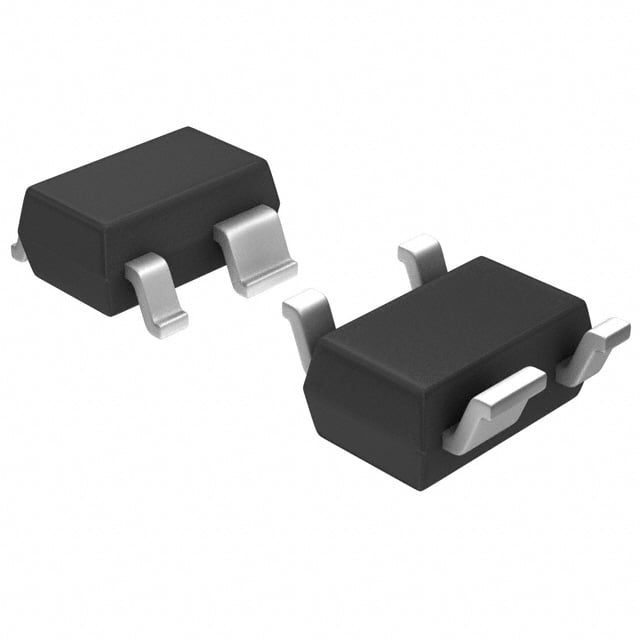
As practitioners deeply rooted in the field of electronic component distribution for many years, we have a direct understanding of the complex market landscape in 2025: the AI wave and terminal upgrades are driving robust demand, while supply chain uncertainties continue to pose obstacles. Winbond Electronics' W25Q64JVSSIQ, a high-frequency serial NOR flash memory part number in our distribution business, serves as a vivid snapshot of this industry ecosystem.
From distribution data, industry hotspots are concentrated in two main directions: technological iteration and scenario expansion. The explosive growth of AI computing power directly drives demand for storage components. Serial flash memories like the W25Q64JVSSIQ, with features such as high-speed SPI transmission and stable storage across a wide temperature range, have become core components for devices like IoT gateways and industrial PLCs. The overlapping demand from the consumer electronics replacement cycle and automotive electronics intelligence—such as the tens of millions of desktop device updates driven by the end of Windows 10 support and the proliferation of domain controllers in new energy vehicles—further broadens the application scenarios for memory chips, keeping adaptable part numbers like the W25Q64JVSSIQ in consistently high demand. Notably, the wave of domestic substitution is also injecting new vitality into the market, as evidenced by the 22% month-on-month surge in orders for high-end PCB materials we distribute, alongside breakthroughs in domestic memory chips.
Beneath this demand surge, the pain points of downstream manufacturers are particularly evident in distribution. Intense price volatility is the primary challenge. In early 2025, influenced by adjustments in upstream wafer capacity, the price of W25Q64JVSSIQ saw a short-term spike of up to 159.7%, leaving many customers in a dilemma: stockpiling led to high costs, while not stocking risked production halts. Even with recent price corrections, purchasing decisions remain highly cautious. Supply chain uncertainties further exacerbate anxiety. Adjustments to U.S. tariff policies have extended lead times for some batches of this part number from the standard 12 weeks to 16 weeks, and downstream reliance on single supply channels amplifies this risk. The inventory management paradox is equally pronounced: while current market inventory for W25Q64JVSSIQ is relatively sufficient, with a low supply risk rating, most manufacturers are still digesting inventory overhangs from 2024, caught in the widespread contradictory mindset of "fearing price drops if they stockpile, and fearing shortages if they don't."
The market fluctuations of W25Q64JVSSIQ offer several insights for industry participants. For upstream original manufacturers, precise capacity control is key to market stability. Winbond Electronics' strategy of dynamically adjusting production plans for this part number—ensuring supply during peak demand and avoiding oversupply during lulls—is noteworthy. For downstream manufacturers, building a diversified supply system is crucial. Over-reliance on a single distributor or manufacturer undoubtedly magnifies supply chain risks. Comparing prices across multiple channels and dynamically tracking part number price and inventory changes can significantly enhance the科学性 of procurement decisions.
As a bridge connecting upstream and downstream, the value of distributors lies more in transmitting market signals and facilitating industry coordination. From the case of W25Q64JVSSIQ, we clearly see that the healthy development of the electronic components industry requires synergy among original manufacturers, distributors, and downstream enterprises: original manufacturers must control capacity with precision, distributors must build efficient circulation networks, and enterprises must optimize procurement and inventory strategies. Only in this way can we steadily advance amid the opportunities presented by AI and domestic substitution, and achieve win-win outcomes amidst the challenges of market volatility.