Silicon Carbide (SiC): Reshaping the Semiconductor Landscape and Driving a New Technological Revolution
2026-07-27 16:37:01 776
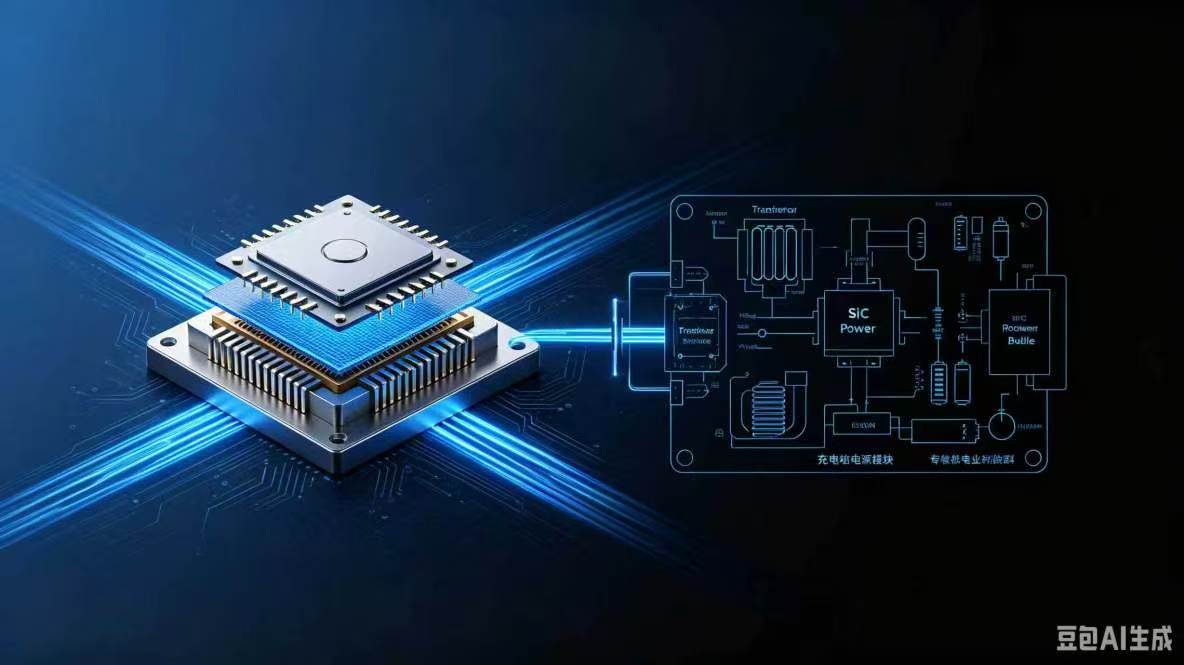
With the rapid iteration of digital technology, traditional silicon-based chips are gradually hitting performance bottlenecks. As a core wide-bandgap semiconductor material of the third generation, Silicon Carbide (SiC) breaks industrial technical boundaries and becomes a key driving force for high-end manufacturing, new energy and intelligent technology fields.
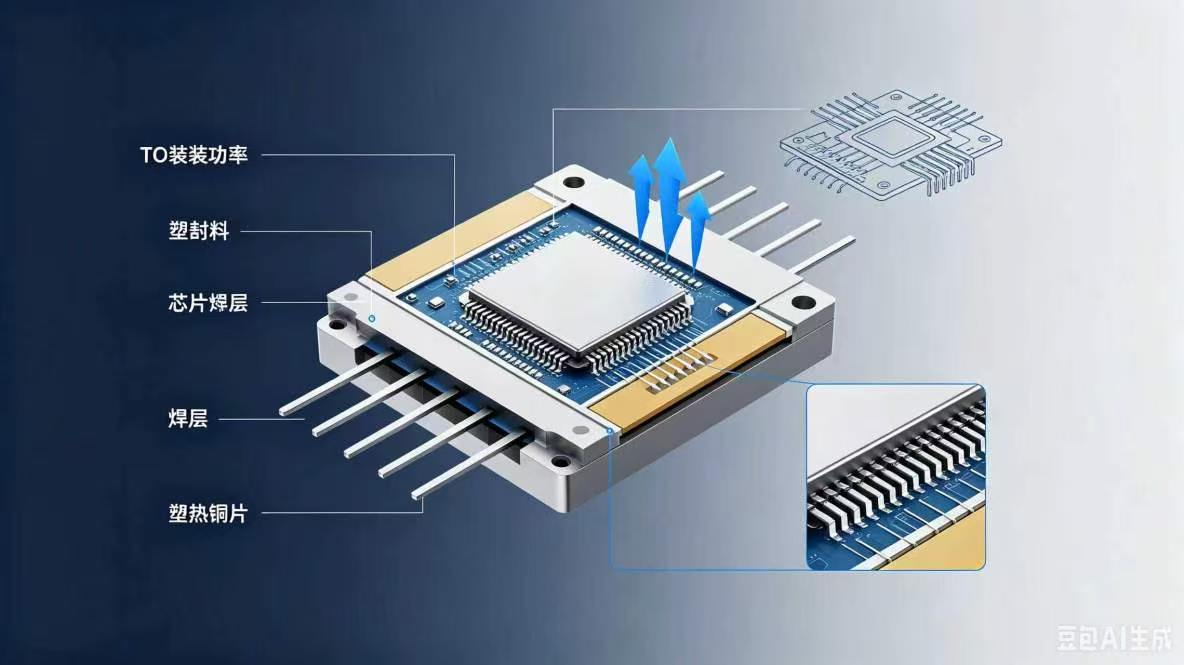
Compared with traditional silicon materials, SiC features superior high temperature resistance, high voltage resistance and high-frequency performance, with lower energy consumption loss and higher stability. With its extreme physical properties, SiC chips can greatly improve the energy conversion efficiency of equipment, reduce product size and extend service life, perfectly meeting the development needs of current high-end technologies.
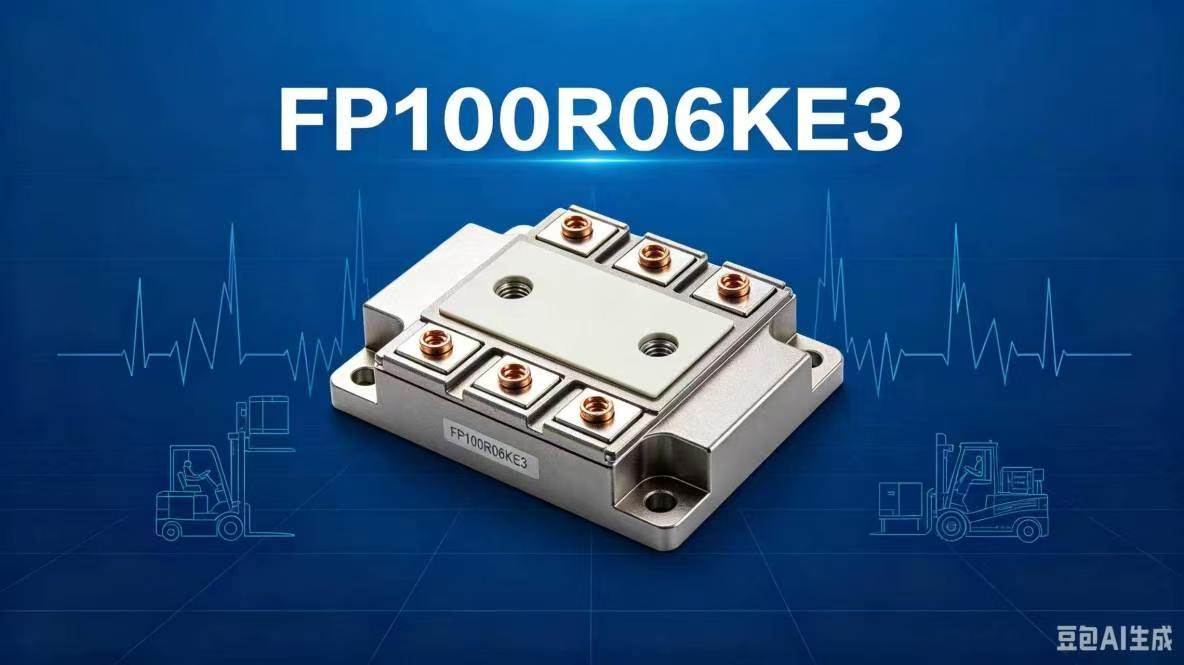
SiC has been widely applied in diverse scenarios, including electronic control systems and on-board fast charging of new energy vehicles, photovoltaic energy storage, industrial automation equipment, 5G communication, high-end data centers and aerospace fields. It solves the pain points of traditional semiconductors such as high power consumption, low efficiency and poor high-temperature resistance, effectively helping industries save energy and costs, improve quality and efficiency, and inject strong momentum into the transformation and upgrading of high-end manufacturing.
Looking ahead, Silicon Carbide (SiC) is no longer a niche cutting-edge material, but a core cornerstone supporting the global new energy revolution and digital transformation. In the era of intelligent connectivity and low-carbon energy conservation, SiC reshapes the semiconductor industry pattern with powerful technological strength and opens a new intelligent, efficient and low-carbon technological future.
Tags: