Power Consumption Management for AI Computing Power Supplies, Silicon Carbide Devices Reduce Thermal Pressure in High-density Computing Equipment
2026-07-31 17:22:12 599
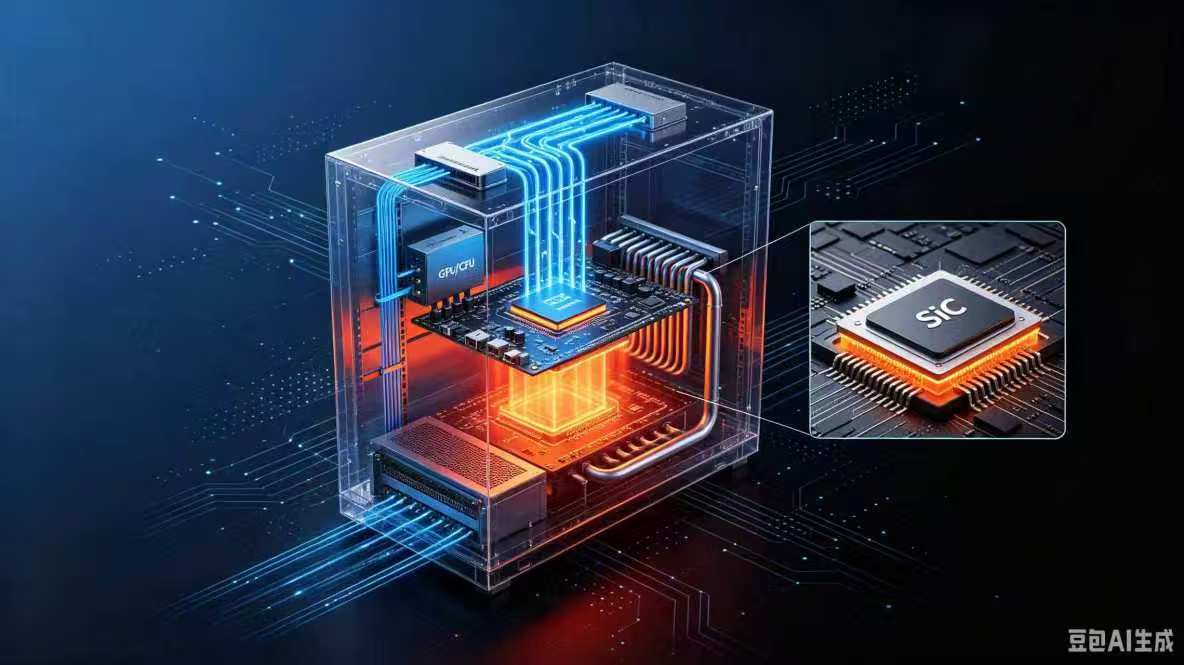
With the continuous upgrading of high-density computing hardware such as AI servers and intelligent computing centers, the load power of single racks keeps increasing. Traditional silicon-based power supply solutions generate significant heat under high-load conditions, which not only reduces power conversion efficiency but also places higher demands on data center cooling systems. Silicon carbide power devices, with low conduction loss, low switching loss and excellent high-temperature resistance, can reduce heat generation in the power supply loop at the source and have become an important choice for power consumption management and thermal optimization of computing equipment.
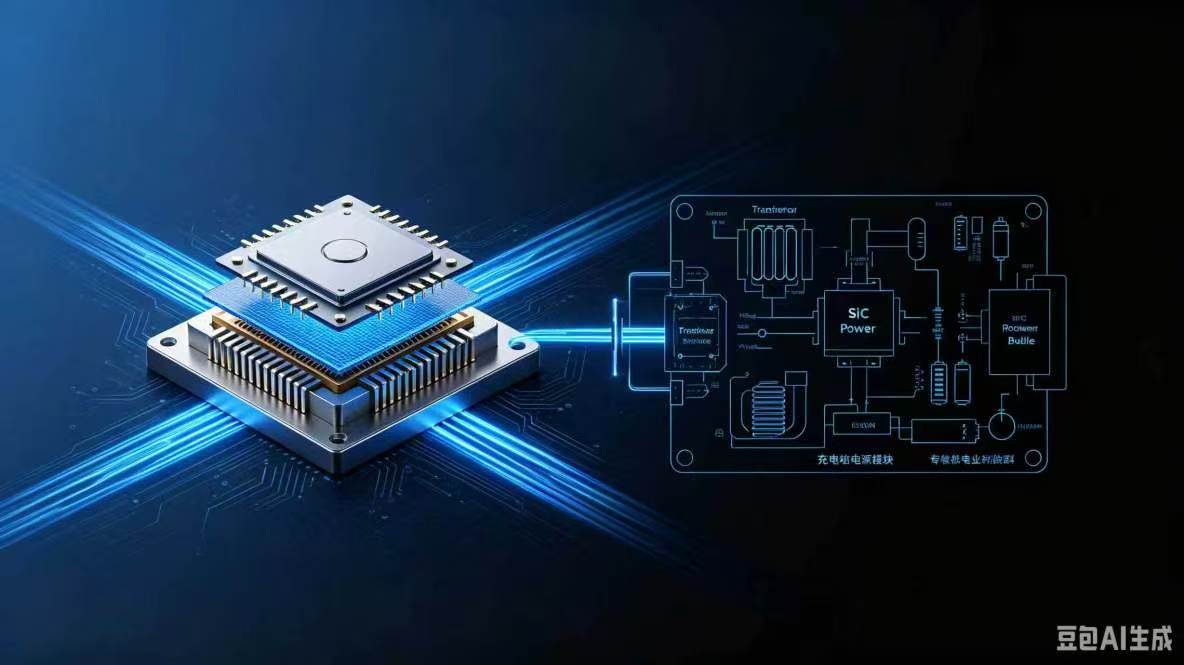
In scenarios such as high-voltage HVDC server power supplies, on-board high-power power modules and GPU/CPU power supply links, SiC devices can effectively reduce the overall loss of the power supply system and minimize unnecessary heat release. Compared with traditional silicon-based solutions, SiC power supply solutions can improve conversion efficiency, lower equipment temperature rise, and support higher operating frequencies, helping to reduce the size of magnetic components and heat sinks while increasing the power density of server power supplies.
AI computing equipment usually requires 24/7 uninterrupted operation, and power supply modules remain under high load for a long time. Device reliability directly affects the stability of the whole system. Silicon carbide devices have passed reliability verifications such as long-term high-temperature durability, high-voltage shock and thermal cycling. Under continuous full-load conditions, they show smaller parameter drift, which can delay performance degradation and extend the service life of power supply equipment.
For the upgrading requirements of computing power supplies, we can provide parameter comparison, sample testing, solution verification and bulk supply support for silicon carbide devices. This helps server power supply manufacturers gradually complete power consumption optimization and thermal upgrade without changing the original architecture, adapting to the development trend of high-density and high-energy-efficiency computing infrastructure.
Tags: